Author: admin

  • How to Buy a Running Business in India: A Complete Guide

    How to Buy a Running Business in India: A Complete Guide

    Starting a business from scratch can be exciting, but it also comes with plenty of uncertainty. Finding customers, building a team, establishing suppliers, developing processes, and generating consistent revenue can take years.

    That is one reason why many entrepreneurs consider buying a running business in India instead.

    An existing business may already have customers, employees, suppliers, operational systems, and revenue history. However, buying an established business still requires careful research. A business that looks profitable on the surface may have financial, operational, or legal issues that are not immediately visible.

    So, how do you actually buy a running business in India?

    Let’s go through the process step by step.

    Decide What Type of Business You Want to Buy

    The first step is to decide what kind of business fits your experience, budget, and goals.

    Don’t select a business only because it appears profitable.

    Think about whether you understand the industry and whether you can realistically manage the business after the acquisition.

    Determine Your Investment Budget

    Before contacting sellers, establish how much you can realistically invest.

    Your budget should include more than the purchase price.

    Keeping sufficient working capital can help you manage the business after the acquisition.

    Find Businesses for Sale

    Once you know your requirements, start looking for suitable businesses.

    Instead of contacting random businesses, you can create a shortlist of opportunities that match your requirements.

    Review the Business Financials

    This is one of the most important steps when buying an existing business.

    Ask the seller for relevant financial information and review the numbers carefully.

    Try to understand how the business actually generates money and whether those earnings are sustainable.

    Understand the Customer Base

    A business may have strong revenue today, but you need to understand where that revenue comes from.

    A business heavily dependent on one customer can carry significantly more risk than a business with a diversified customer base.

    Check Employees and Operations

    The employees may be one of the most valuable assets of an established business.

    Also determine whether the business can continue operating smoothly if the current owner leaves.

    If the entire business depends on the owner personally, the transition may be more difficult.

    Perform Legal Due Diligence

    Financial performance is only one part of the acquisition process.

    Before purchasing a business, buyers should also investigate potential legal and compliance issues.

    Professional legal and financial advice can be valuable during this stage.

    Understand Why the Owner Is Selling

    This is a simple question, but it can reveal important information.

    Ask the seller:

    “Why are you selling the business?”

    Determine a Fair Business Valuation

    Don’t assume the asking price represents the actual value of the business.

    The appropriate valuation method can vary depending on the business.

    This is why professional valuation and financial advice can be useful before making a final offer.

    Negotiate the Deal

    Once your due diligence is complete, you can negotiate the transaction.

    A good deal is one that makes sense for both the buyer and the future financial performance of the business.

    Plan the Transition

    Buying the business is not the end of the process.

    The first few months after acquisition can have a major impact on the future success of the business.

    Why Buy a Running Business Instead of Starting From Scratch?

    There are several potential advantages to buying an established business.

    You may already have:

    • Existing customers
    • Revenue history
    • Employees
    • Suppliers
    • Business processes
    • Market presence
    • Operational infrastructure

    However, an existing business is not automatically a better investment.

    The right opportunity depends on the business’s financial health, valuation, industry, risks, and growth potential.

    Buying a running business in India can provide an alternative route to entrepreneurship. Instead of spending years building an operation from zero, an entrepreneur can acquire an established business and focus on improving and growing it.

    The key is due diligence.

    Don’t rush into a purchase simply because a business appears profitable. Review its financials, customers, employees, operations, legal position, valuation, and future growth opportunities before making a decision.

    If you’re looking for businesses for sale in India, exploring established opportunities can help you compare businesses based on your investment goals and requirements.

  • Business Investment Opportunities Under ₹50 Lakh in India

    Business Investment Opportunities Under ₹50 Lakh in India

    Business Investment Opportunities Under ₹50 Lakh can be a practical option for people who want to invest in an existing business without committing a very large amount of capital. Across India, buyers can find running businesses, small manufacturing units, retail businesses, service companies, restaurants, technology businesses, PG and accommodation businesses, and other opportunities within this investment range.

    For many investors, buying an existing business can be an alternative to starting a new business from scratch. An established business may already have customers, employees, suppliers, equipment, a location, and an operating system in place.

    However, the asking price should not be the only factor you consider. A lower-priced business is not automatically a better investment. You should look at revenue, profitability, cash flow, liabilities, customers, assets, operating costs, and future growth potential before making a decision.

    If you are searching for business investment opportunities under ₹50 lakh, this guide will help you understand what options are available, what to check before investing, and how to find an opportunity that fits your budget and goals.

    What Can You Buy With ₹50 Lakh?

    A budget of ₹50 lakh opens up several possibilities for business buyers in India.

    Depending on the city, industry, business size, and financial performance, you may find opportunities such as:

    • Running retail businesses
    • Manufacturing units and setups
    • Food and restaurant businesses
    • Service businesses
    • IT and technology companies
    • Education and training businesses
    • PG and accommodation businesses
    • Trading businesses
    • Small private companies
    • E-commerce businesses
    • Business setups with existing equipment and infrastructure

    Why Consider a Business Investment Under ₹50 Lakh?

    For a first-time buyer, ₹50 lakh can be a meaningful investment without necessarily moving into the very large corporate acquisition market.

    An existing business can offer a few advantages over starting a new business.

    Existing Customers

    A running business may already have customers and repeat business. Building that customer base from zero can take considerable time and marketing investment.

    Existing Revenue

    If financial records are available, buyers can study the business’s previous revenue and expenses before making a decision.

    This gives you something more concrete to evaluate than a completely new business idea based only on future projections.

    Existing Setup

    Depending on the business, the purchase may include equipment, furniture, machinery, inventory, employees, supplier relationships, technology, or an operating location.

    Faster Entry Into the Market

    Starting a business involves finding a location, setting up operations, hiring people, finding suppliers, creating processes, and acquiring the first customers.

    Buying an existing business may reduce some of that initial work.

    Scope for Improvement

    An existing business does not need to be perfect to be worth considering.

    Sometimes the opportunity is in a business that already has a customer base and revenue but needs better marketing, stronger management, improved operations, or expansion into new areas.

    Business Investment Opportunities Under ₹50 Lakh in Jaipur

    Jaipur deserves special attention if you are looking for a business investment opportunity in Rajasthan.

    The city has a diverse business environment covering tourism, hospitality, manufacturing, retail, education, accommodation, services, jewellery, handicrafts, technology, and other sectors.

    The important thing is to match the opportunity with your own experience and investment objective.

    BizzXchange currently lists business opportunities in Jaipur and other Indian locations, and its listings can include information such as asking amount, equity offered, turnover, EBITDA, business category, and location.

    Is ₹50 Lakh Enough to Buy a Profitable Business?

    Yes, it can be.

    But there is no guarantee that every business available under ₹50 lakh will be profitable.

    The right question is not:

    “What is the cheapest business I can buy?”

    A better question is:

    “Which business can I understand, afford, operate, and potentially grow?”

    For example, a ₹10 lakh business may require another ₹20 lakh in working capital and improvements.

    A ₹40 lakh business may have stronger existing operations but still require careful due diligence.

    Always calculate the total investment, not just the purchase price.

    Business Investment vs Starting a New Business

    Both options have their advantages.

    Starting a new business gives you complete control over the brand, business model, team, location, and operations.

    The trade-off is that you also inherit the responsibility of understanding the existing business and its risks.

    For someone who wants a faster entry into an established market, buying an existing business can be worth exploring.

    How BizzXchange Can Help You Find Business Opportunities Under ₹50 Lakh

    Finding a suitable business investment opportunity is often the first challenge.

    BizzXchange provides a platform where buyers can explore businesses available for sale or investment across different industries and locations.

    You can review available opportunities based on factors such as business nature, industry, established year, equity offered, asking amount, turnover, and other listing information.

    The platform currently includes opportunities at different investment levels, including businesses and setups available below ₹50 lakh.

    If you are looking for a business investment opportunity under ₹50 lakh in Jaipur or another Indian city, start by defining your budget, preferred industry, location, and involvement level.

    Focus on the business behind the listing.

    Look at its revenue, profitability, customers, assets, expenses, liabilities, location, and future potential. Most importantly, choose an opportunity that matches your own knowledge and ability to manage the business.

    If you are looking for business investment opportunities under ₹50 lakh, explore the current opportunities available on BizzXchange and compare businesses based on your budget, preferred industry, and location.

    Whether you are looking for a running business in Jaipur, a small manufacturing opportunity, a retail business, an IT company, or another investment opportunity, the right starting point is to understand the numbers before making a decision.

  • How to Find a Business for Sale Within Your Budget

    How to Find a Business for Sale Within Your Budget

    Buying an existing business can be a smart way to become a business owner without starting everything from zero. You may already have customers, employees, equipment, suppliers, a working location, and an established business model.

    But there is one important question to answer before you start looking:

    How much can you actually afford to spend on a business?

    Searching for a business for sale without setting a realistic budget can quickly become confusing. You may find attractive opportunities that are far beyond your financial capacity, or you may focus only on the asking price and overlook other costs involved in taking over a business.

    The good news is that finding a business within your budget becomes much easier when you follow a simple process.

    1. Start With Your Total Investment Budget

    The first step is to decide how much money you can realistically put into the purchase.

    For example, if you have ₹25 lakh available, that does not necessarily mean you should search only for businesses priced at ₹25 lakh.

    You may need additional money for:

    • Working capital
    • Rent or property-related expenses
    • Employee salaries
    • Inventory
    • Equipment repairs or upgrades
    • Licenses and registrations
    • Professional fees
    • Marketing
    • Unexpected business expenses

    A safer approach is to keep some money aside for running the business after the purchase.

    For instance, if your total available capital is ₹30 lakh, you may decide that a business priced around ₹20–25 lakh is more comfortable than using the entire ₹30 lakh for the acquisition.

    2. Decide What Type of Business You Want

    Your budget is only one part of the search.

    Think about the type of business you would actually like to operate.

    You could look for opportunities such as:

    • Manufacturing businesses
    • Retail businesses
    • Food and hospitality businesses
    • Service businesses
    • Education businesses
    • IT and technology businesses
    • Rental or property-related businesses
    • Healthcare businesses
    • Small businesses and startups

    Your previous experience can also make a difference.

    If you have experience managing employees, selling products, running a shop, handling customers, or managing a particular industry, you may find it easier to take over a similar business.

    3. Search by Location

    Location can have a major impact on the price of a business.

    A running business in Jaipur, Delhi, Mumbai, Bengaluru or another major commercial area may have very different pricing from a similar business in a smaller city.

    This is why it helps to decide whether you want to:

    • Buy a business in your city
    • Buy a business somewhere else in India
    • Relocate after purchasing the business
    • Operate the business remotely, where possible

    If you already understand the local market, suppliers, customers and competition in your area, buying locally can sometimes make the transition easier.

    4. Use Price Filters Instead of Browsing Random Listings

    One of the easiest ways to find a business that fits your budget is to use search and filter options.

    Instead of opening hundreds of listings, narrow your search based on factors such as:

    Business type + industry + location + asking price

    For example, someone with a budget of ₹20 lakh could search for businesses below or around that range and then compare the available opportunities.

    This saves time and makes the search much more practical.

    A business marketplace such as BizzXchange allows buyers to explore business opportunities using filters and review available listings before contacting sellers.

    5. Don’t Look Only at the Asking Price

    The asking price is important, but it should not be the only number you consider.

    Two businesses may both be listed for ₹25 lakh, but their financial positions could be completely different.

    When comparing a business for sale, look at information such as:

    • Latest turnover
    • Previous turnover
    • EBITDA or profit
    • EBITDA margin
    • Business assets
    • Existing liabilities
    • Number of employees
    • Premises details
    • Inventory
    • Business age
    • Ownership structure
    • Reason for selling

    For example, a business with a ₹25 lakh asking price and consistent earnings may deserve a closer look than another business at the same price with little or no revenue.

    The numbers help you understand what you are actually buying.

    6. Consider the Business’s Earning Potential

    A low-priced business is not automatically a good deal.

    Imagine you find two businesses:

    Business A: ₹15 lakh asking price, but very limited revenue and uncertain future prospects.

    Business B: ₹25 lakh asking price, with an established customer base and consistent earnings.

    Business A is cheaper, but that does not necessarily mean it offers better value.

    Look at the relationship between the purchase price and the business’s earnings.

    Ask questions such as:

    • How much does the business currently earn?
    • Has revenue been increasing or decreasing?
    • Are profits consistent?
    • How dependent is the business on the current owner?
    • Does it have repeat customers?
    • Are there opportunities to increase revenue?

    This helps you move from simply finding a cheap business for sale to finding a business that makes financial sense.

    7. Keep Working Capital Separate

    One common mistake first-time buyers make is spending nearly all their available money on the purchase.

    Suppose you have ₹40 lakh available and find a business for ₹38 lakh.

    It may look affordable on paper, but you would have very little money left to operate the business.

    After taking over, you may immediately need money for salaries, inventory, rent, repairs, marketing or other operating expenses.

    Try to estimate your working-capital requirement before making an offer.

    Your purchase budget and your operating budget should be treated as two different numbers.

    8. Check Whether the Business Is Actually Running

    There is an important difference between buying an existing running business and buying only its assets or setup.

    A running business may already have:

    • Customers
    • Suppliers
    • Employees
    • Equipment
    • Brand presence
    • Operating systems
    • Revenue
    • Existing contracts

    However, you should verify these details rather than assuming they are accurate.

    Ask the seller for supporting documents and information before making a final decision.

    9. Don’t Be Afraid to Negotiate

    The asking price is not always the final price.

    Depending on the business and the seller’s situation, there may be room for negotiation.

    However, don’t negotiate simply because you want a lower price.

    Use facts.

    If the business has declining revenue, requires significant investment, has outstanding liabilities, or needs major equipment upgrades, those factors may affect the value of the business.

    A sensible negotiation should be based on the business’s actual financial and operational condition.

    10. Use a Business Marketplace to Make the Search Easier

    Searching through individual contacts, advertisements and social media can take a lot of time.

    A dedicated business marketplace can make the process more organized by bringing different business opportunities together in one place.

    On BizzXchange, buyers can identify their requirements, use filters to find opportunities, explore business listings and contact sellers directly or express interest through the platform.

    Listings can include important information such as asking amount, equity for sale, turnover, EBITDA, business category and location, helping buyers shortlist opportunities before starting detailed discussions.

    What Is a Good Budget for Buying a Business?

    There is no single answer because every buyer’s financial situation is different.

    A practical starting point is to calculate:

    Total available capital − emergency reserve − initial working capital = approximate acquisition budget

    For example:

    If you have ₹50 lakh available:

    • ₹10 lakh reserved for working capital
    • ₹5 lakh kept as an emergency buffer
    • Approximately ₹35 lakh available for the acquisition

    This is only an example. Your actual numbers should depend on the type, size and financial requirements of the business you are considering.

    Finding the Right Business Is About More Than Price

    When searching for a business for sale, it is easy to focus on the number written next to “asking price.”

    But the real question is:

    Does this business make sense for my money, experience and goals?

    A ₹10 lakh business may require another ₹15 lakh to become profitable. A ₹30 lakh business with stable operations may require much less additional investment.

    That is why buyers should look beyond the purchase price and understand the business’s financial position, operations, assets, liabilities and future potential.

    Find a Business for Sale That Fits Your Budget

    If you are ready to explore businesses for sale, start by defining your budget, preferred location, industry and investment requirements.

    BizzXchange provides a platform where buyers can browse business opportunities, use available filters, review listing information and connect with sellers.

    Whether you are looking for a small business, a running business, a manufacturing opportunity, a service business or another type of investment opportunity, narrowing your requirements first can make the search faster and more useful.

    Start your search with a realistic budget, compare your options carefully, and always verify the business information before making an investment decision.

  • Profitable Businesses for Sale in Jaipur: A Practical Guide for Buyers

    Profitable Businesses for Sale in Jaipur: A Practical Guide for Buyers

    If you are searching for profitable businesses for sale in Jaipur, you may already be thinking beyond starting a business from zero.

    Buying an existing business can give you something a new venture usually takes time to build: an operating setup, existing customers, established processes, assets, and in some cases, a proven source of revenue.

    Jaipur has a wide mix of business opportunities across manufacturing, hospitality, education, rental businesses, retail, services, and other sectors. The right opportunity depends on your budget, experience, expected return, and how actively you want to manage the business.

    At BizzXchange, buyers can explore businesses available for sale and review important information such as business category, location, asking price, turnover, EBITDA, equity offered, and other details before deciding whether to take the discussion forward.

    What Makes a Business Profitable?

    A business should not be considered profitable simply because it has been running for several years.

    Before buying, look at the numbers behind the business.

    Some of the most important indicators include:

    • Current annual turnover
    • EBITDA or operating profit
    • Profit margin
    • Previous years’ financial performance
    • Existing customer base
    • Monthly operating expenses
    • Outstanding loans or liabilities
    • Working capital requirements
    • Value of equipment, property, inventory, or other assets
    • Reason the owner wants to sell

    For example, a running business with consistent revenue and healthy margins may offer a different investment opportunity from a business that has good assets but requires significant operational improvement.

    The important point is simple: look at the business numbers, not just the asking price.

    Why Consider Buying an Existing Business in Jaipur?

    Starting a new business can take months or even years to establish a customer base. An existing business may shorten that initial phase.

    Depending on the business, you may already have:

    Existing Revenue

    A running business can provide access to historical financial records. This allows a buyer to understand how the business has performed instead of relying only on future projections.

    Established Operations

    Some businesses already have employees, suppliers, equipment, premises, systems, and day-to-day processes in place.

    Existing Customers

    An established customer base can be valuable because customer acquisition is one of the biggest challenges for a new business.

    Faster Market Entry

    Instead of spending months setting up everything from scratch, you can potentially take over an operating setup and focus on improving and growing it.

    Opportunity for Further Growth

    A business does not have to be perfect to be a good acquisition opportunity.

    Sometimes the value is in identifying a business that is already working but has room for improvement through better marketing, technology, management, sales, or expansion.

    Types of Profitable Businesses for Sale in Jaipur

    The Jaipur market has opportunities across different industries. Buyers should not limit their search to one particular type of business.

    1. Manufacturing Businesses

    Manufacturing businesses can be attractive for buyers who understand production, supply chains, machinery, B2B sales, or industrial operations.

    An established manufacturing business may already have machinery, production facilities, employees, suppliers, and customer relationships.

    Before investing, carefully review production capacity, machinery condition, raw material costs, customer concentration, outstanding orders, and working capital requirements.

    2. PG and Rental Businesses

    Jaipur has a strong student, professional, and education-related population, which creates demand for accommodation in suitable locations.

    A running PG or rental business can be interesting for investors looking for recurring income.

    For example, BizzXchange currently has a Jaipur PG opportunity listed with reported annual rental income of ₹36 lakh. The listing describes a running furnished PG near the university area with additional space that could potentially be used for another income-generating activity.

    However, buyers should independently verify occupancy, rental agreements, property documents, maintenance costs, local permissions, and actual bank-recorded income before making a decision.

    3. Retail Businesses

    Retail businesses can range from established shops to specialized stores and complete shop setups.

    The advantage of an existing retail operation can include an established location, customer walk-ins, inventory, supplier relationships, and existing local visibility.

    But location alone does not guarantee profitability. Check sales records, margins, inventory turnover, rent, staff costs, and repeat customer activity.

    4. Education Businesses

    Schools, play schools, coaching-related businesses, training centres, and other education businesses can appeal to buyers looking for established operations.

    The key checks here include student enrollment, fee collection, staff retention, premises, licenses, operating costs, and the sustainability of current admissions.

    5. Service Businesses

    Service businesses can sometimes require less physical infrastructure than manufacturing or property-heavy businesses.

    Depending on the sector, the main value may come from existing clients, trained employees, recurring contracts, processes, and reputation.

    Before buying a service business, understand how dependent the business is on the current owner. If most customers work directly with the owner, the transition needs to be planned carefully.

    How to Find Profitable Businesses for Sale in Jaipur

    The easiest way to start is to define what you are looking for.

    For example:

    Budget: ₹10 lakh–₹50 lakh
    Location: Jaipur
    Business type: Running business
    Preferred industry: Manufacturing / Retail / Services / Rental
    Ownership: Full business purchase
    Goal: Existing revenue with growth potential

    Once your requirements are clear, you can filter available opportunities and compare businesses based on their financial and operational information.

    BizzXchange allows buyers to explore business opportunities using filters such as business nature, industry, established year, and equity being offered. Buyers can then review individual listings and express interest in suitable opportunities.

    Why Jaipur Can Be an Interesting Market for Business Buyers

    Jaipur is not limited to tourism-related businesses.

    The city has a broad business ecosystem covering manufacturing, retail, education, accommodation, services, exports, technology, and other sectors.

    This gives buyers the opportunity to look for a business that matches their existing experience.

    For example, someone with manufacturing experience may prefer an established production unit, while another investor may be more comfortable with a rental or service-based business.

    The best opportunity is not necessarily the business with the highest reported turnover. It is the one where the price, profitability, assets, risk, and future potential make sense for you.

    Should You Buy a Profitable Business or Start a New One?

    Both options have advantages.

    Starting a new business gives you complete freedom to build the brand, business model, team, and processes according to your plans.

    Buying an existing business can provide a head start through existing operations, customers, assets, and financial history.

    If you are looking for profitable businesses for sale in Jaipur, an acquisition may be worth considering when you want to enter the market faster and prefer to evaluate an operating business rather than build everything from the beginning.

    But buying an existing business does not remove risk.

    A proper evaluation is still essential.

    Find Businesses for Sale in Jaipur with BizzXchange

    If you are looking to buy a business in Jaipur, BizzXchange provides a platform where buyers can explore available business opportunities and connect with sellers.

    Current Jaipur listings on the platform include opportunities in areas such as manufacturing and rental/PG businesses, with individual listings providing details such as asking price, turnover, EBITDA, business type, location, and equity offered.

    Instead of searching randomly, start with your budget, preferred industry, desired level of involvement, and expected return.

    Then compare the available opportunities carefully and carry out proper due diligence before making a final decision.

    Looking for profitable businesses for sale in Jaipur? Explore the available business opportunities on BizzXchange and find an opportunity that fits your investment goals.

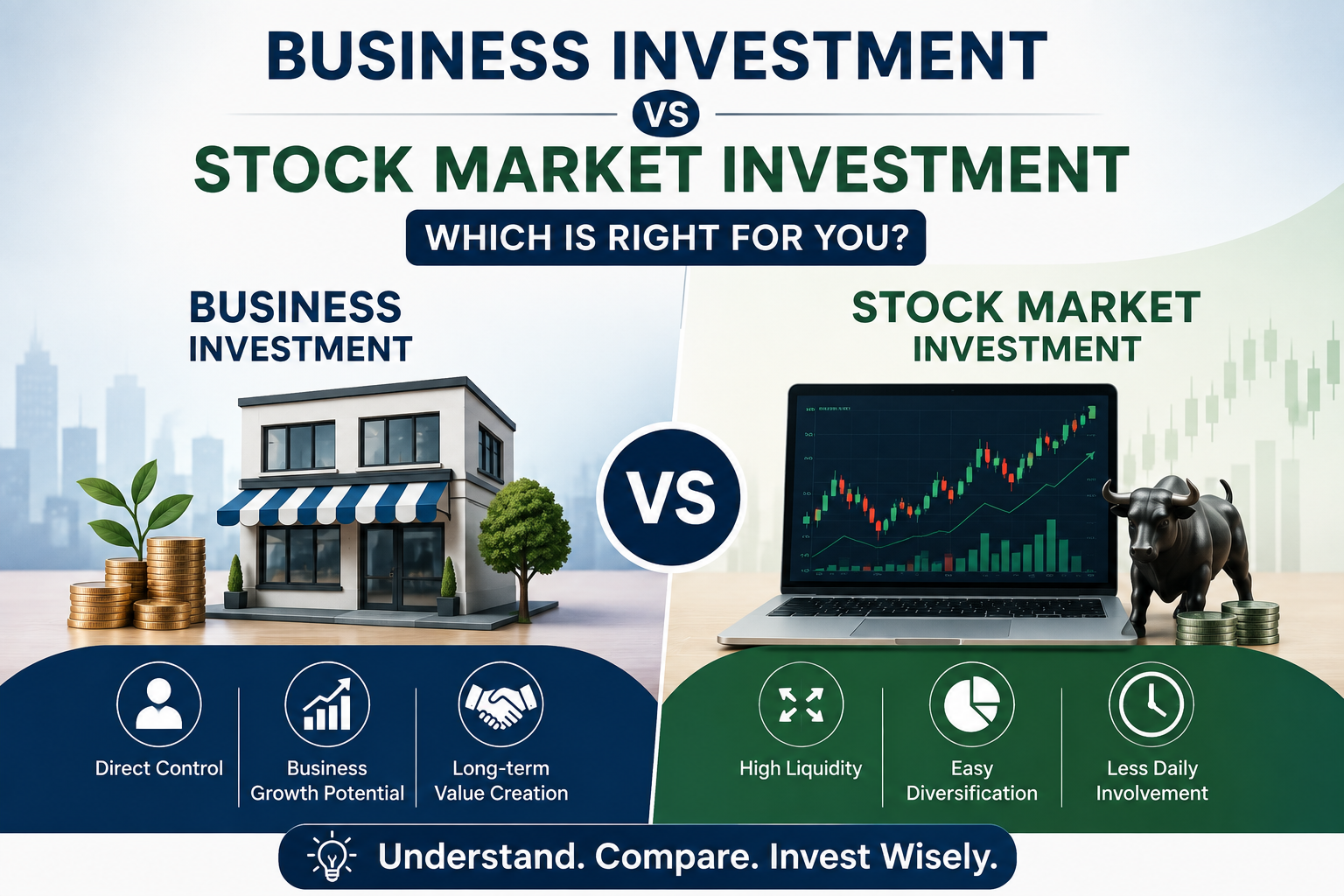
  • Business Investment vs Stock Market Investment: Which Is Better?

    Business Investment vs Stock Market Investment: Which Is Better?

    When you have money to invest, one common question is: should you invest in a business or put your money into the stock market?

    There is no single answer that works for everyone.

    A business investment can give you direct ownership and greater involvement in an operating business. A stock market investment allows you to own shares of companies without managing their day-to-day operations. The right choice depends on your capital, risk tolerance, time, business knowledge, investment goals and how actively you want to be involved.

    For someone who wants to build or acquire a business, investing in a running business can be an interesting alternative to simply buying financial assets. On the other hand, investors who prefer liquidity and less day-to-day involvement may find the stock market more suitable.

    Let’s compare both options in simple terms.

    What Is Business Investment?

    Business investment means putting money into an operating business, acquiring an existing business, buying a share in a company or investing in a business opportunity with the expectation of earning a return.

    For example, you may invest in:

    • A running retail business
    • A manufacturing unit
    • A restaurant or food business
    • A service business
    • A technology business
    • A hospitality business
    • A rental or accommodation business
    • A growing private company
    • An existing local business

    When you invest in or acquire a business, your returns may come from business profits, increased business value, future growth or eventually selling your ownership.

    The major difference is that you are investing directly in a business rather than simply buying shares that trade in the market.

    What Is Stock Market Investment?

    Stock market investment means buying shares or other securities through the securities market.

    When you purchase shares of a company, you become a shareholder. Your investment value can increase if the share price rises, and some companies may distribute dividends, although dividends are not guaranteed.

    Stock prices can also move up and down because of company performance, economic conditions, market sentiment and other factors. There is no guaranteed return from equity investment.

    For this reason, investors should consider their goals, investment horizon and ability to handle losses before investing.

    Business Investment vs Stock Market Investment

    The biggest difference is control and involvement.

    With a business investment, you may have a direct role in the business and its decisions, depending on the ownership structure.

    With stock market investment, you generally have much less involvement in daily business operations. You are investing in the company’s ownership through shares.

    Here is a simple comparison:

    FactorBusiness InvestmentStock Market Investment
    OwnershipDirect or private ownershipOwnership through shares
    Daily involvementCan be highUsually low
    ControlPotentially higherUsually limited
    LiquidityOften lowerGenerally higher for actively traded shares
    Research requiredBusiness, financial and legal checksCompany and market research
    Income potentialBusiness profits and growthPrice appreciation and possible dividends
    RiskBusiness-specific and financial risksMarket and company-specific risks
    Time commitmentCan be significantUsually much lower
    ExitMay take time to find a buyerShares can generally be sold through the market
    Knowledge requiredBusiness operations and industryFinancial markets and company analysis

    The table shows why these two investments are very different even though both are made with the expectation of generating returns.

    Which Has Higher Returns: Business or Stock Market?

    This is one of the most searched questions, but there is no fixed answer.

    A successful business can potentially generate substantial returns because the owner may directly influence sales, expenses and growth.

    At the same time, a business can lose money or even fail.

    Stocks can also generate significant long-term returns, but prices can fall and returns are never guaranteed.

    Therefore, it is not accurate to say:

    “Business investment always gives higher returns.”

    It is equally incorrect to say:

    “The stock market is always better.”

    The potential return depends on the specific business or investment, purchase price, management, market conditions, time horizon and risks involved.

    Business Investment vs Stock Market: Which Is More Risky?

    Both can be risky, but the type of risk is different.

    When you buy a running business, you may be exposed to operational risks such as:

    • Employees
    • Customers
    • Suppliers
    • Rent
    • Competition
    • Cash flow
    • Business liabilities
    • Regulatory requirements

    When you invest in stocks, you are more exposed to:

    • Share price volatility
    • Market-wide movements
    • Company performance
    • Economic conditions
    • Investor sentiment

    The important thing is to understand the risk before investing rather than simply looking at the potential return.

    Which Is Better for a First-Time Investor?

    For a first-time investor, the answer depends heavily on personal circumstances.

    If you have:

    • Strong business experience
    • Knowledge of a particular industry
    • Sufficient capital
    • Time to manage a business
    • Ability to conduct due diligence

    then acquiring a running business may be worth exploring.

    If you:

    • Prefer passive investing
    • Want easier liquidity
    • Have limited business-management experience
    • Want to diversify across companies
    • Do not want daily operational responsibility

    then stock market investment may be more suitable.

    There is no requirement to choose only one.

    Some investors may decide to build a diversified investment portfolio while also using their experience and capital to acquire or invest in a business.

    Should You Invest in a Running Business or Stocks?

    Ask yourself these questions before deciding.

    Do You Want to Run a Business?

    If the answer is yes, business investment may be more interesting.

    Do You Want a More Hands-Off Investment?

    If yes, stocks may fit better.

    How Much Capital Do You Have?

    Buying an established business can require significantly more capital than starting a small stock portfolio.

    How Much Risk Can You Handle?

    Both options carry risk. Your decision should reflect how much loss you can realistically afford.

    How Much Time Can You Give?

    A business may require daily attention. Stock investing generally requires much less operational involvement.

    Do You Understand the Investment?

    This is perhaps the most important question.

    Do not invest simply because someone says an opportunity will generate high returns.

    Research the investment, understand the business model and assess the risks.

    What Should You Check Before Investing in a Business?

    If you decide to explore business investment, do not stop at the asking price.

    Check:

    Financial Performance

    Review revenue, profit, expenses and cash flow.

    Liabilities

    Find out about loans, unpaid dues, tax obligations and other commitments.

    Assets

    Verify machinery, equipment, inventory, property rights and other assets included in the transaction.

    Customers

    Understand how the business gets its customers and whether revenue depends heavily on a few clients.

    Employees

    Check the number of employees, salaries, key personnel and whether important staff members are likely to stay.

    Legal Documents

    Review registrations, licenses, agreements, ownership documents and other relevant paperwork.

    Business Valuation

    The asking price should be compared with the actual financial performance, assets, liabilities and future potential of the business.

    BizzXchange also provides business-related services including business valuation and due diligence, which are relevant considerations when evaluating an acquisition or investment opportunity.

    What Should You Check Before Investing in Stocks?

    If you choose the stock market, avoid investing purely because of a social-media tip or short-term market excitement.

    Before investing, consider:

    • Your financial goals
    • Investment horizon
    • Risk tolerance
    • Company fundamentals
    • Business model
    • Revenue and profitability
    • Debt
    • Valuation
    • Industry conditions
    • Diversification

    Due diligence should be part of the investment process. Understanding the company and reviewing relevant financial information can help you make a more informed decision.

    Business Investment vs Stock Market Investment: Quick Summary

    If you want control and active involvement, consider exploring business investment.

    If you want liquidity and less operational involvement, the stock market may be more suitable.

    If you have industry experience, a running business may give you an opportunity to use that knowledge.

    If you want diversification, the stock market can make it easier to spread investments across different companies and sectors.

    If you want to build and grow something yourself, business ownership may be more attractive.

    If you want to invest without managing employees or customers, stock market investing may be a better fit.

    Neither option is automatically better.

    How BizzXchange Can Help You Explore Business Investment Opportunities

    For people interested in business investment, the first challenge is often finding suitable opportunities to evaluate.

    BizzXchange provides a platform for exploring businesses available for sale or investment. Buyers can identify their requirements, search business opportunities using available filters, review listings and connect with sellers or express interest.

    The platform includes opportunities across different industries and locations, making it possible to compare businesses based on factors such as business nature, industry, established year, equity offered and other available listing information.

    You can explore business investment opportunities on BizzXchange and compare available businesses based on your requirements.

    Remember that an online listing is only the starting point. Financial, legal and operational information should be independently verified before entering into any transaction.

    BizzXchange can help you discover businesses available for sale or investment and compare opportunities before you take the next step.

    The best investment is not necessarily the one promising the highest return. It is the one you understand, can afford, and can manage within your risk level.

    This article is for general educational purposes and should not be treated as financial or investment advice. Investment decisions should be made after considering your individual circumstances and, where appropriate, taking professional advice.

  • Profitable Small Business Opportunities in Jaipur

    Profitable Small Business Opportunities in Jaipur

    Jaipur is not only a popular tourist destination. It is also a growing business market with opportunities in retail, food, manufacturing, education, accommodation, services and other local industries.

    If you are planning to start a business in Jaipur, you do not always have to build everything from the beginning. Another option is to look for an existing business opportunity in Jaipur or a running small business that can be taken over and managed.

    The right opportunity depends on your budget, experience, location and the type of work you want to handle.

    Some of the small business opportunities worth exploring in Jaipur include food businesses, retail shops, PG and hostel businesses, small manufacturing units, education-related businesses, tourism services, digital services and agriculture-related businesses.

    Before investing, however, it is important to check the actual financial performance, operating costs, assets, liabilities and future potential of the business.

    Why Jaipur Is a Good Place for Small Business

    Jaipur has a mix of local residents, students, working professionals, tourists and businesses. This creates demand across many different sectors.

    The city also has established commercial areas as well as developing residential and industrial locations.

    For a small business owner, this can create opportunities in both consumer-facing and B2B businesses.

    For example, a business near a university may have a very different customer base from one located in a tourist area. Similarly, a manufacturing business in an industrial area may depend more on suppliers, distributors and other businesses than on walk-in customers.

    This is why choosing the right business location in Jaipur is just as important as choosing the business itself.

    10 Profitable Small Business Opportunities in Jaipur

    There is no business that is guaranteed to be profitable. However, some categories can offer interesting opportunities when there is genuine local demand and the business is managed properly.

    1. Food and Beverage Business

    Food is one of the most common small-business opportunities in a growing city.

    Depending on the location and budget, you could consider:

    • Café
    • Fast-food outlet
    • Cloud kitchen
    • Bakery
    • Tiffin service
    • Juice and beverage shop
    • Traditional food outlet
    • Small restaurant

    Location is extremely important in this category.

    A food business near offices, colleges, residential areas or busy commercial locations may have a different opportunity compared with one in a tourist-focused area.

    If you are considering buying an existing food business, check daily sales, food costs, rent, staff salaries, delivery revenue and repeat customers before making a decision.

    2. PG and Hostel Business

    Jaipur has students, working professionals and people who move to the city for education or employment.

    This makes PG and hostel businesses in Jaipur an option worth researching.

    A running PG business can be particularly interesting because an existing operation may already have rooms, furniture, tenants and an established rental model.

    For example, BizzXchange currently has a Jaipur PG opportunity listed with reported annual income of ₹36 lakh. The listing describes a running property with furnished rooms and additional income potential.

    However, buyers should independently verify occupancy, rental income, property documents, expenses, tenant agreements and ownership details before considering such an investment.

    3. Retail Shop Business

    Retail remains relevant in Jaipur because customers still purchase many products locally.

    Depending on the area, possible retail businesses include:

    • Clothing
    • Toys
    • Grocery
    • Cosmetics
    • Mobile accessories
    • Home products
    • Gift items
    • Jewellery
    • Specialty products

    The biggest advantage of buying an established retail business can be the existing location and customer base.

    But do not assume that a busy-looking shop is automatically profitable.

    Check monthly sales, inventory value, margins, rent, electricity costs, employee expenses and supplier credit terms.

    4. Small Manufacturing Business

    Jaipur and the surrounding region also have opportunities connected with manufacturing and production.

    Small manufacturing businesses can include:

    • Garments
    • Furniture
    • Handicrafts
    • Packaging
    • Building materials
    • Food products
    • Textile-related products
    • Electrical products
    • Wooden products

    A manufacturing business can potentially generate strong revenue, but it also requires more attention to machinery, raw materials, labour, electricity, production capacity and working capital.

    If you are considering an existing manufacturing unit, inspect the machinery and equipment instead of relying only on the seller’s description.

    5. Tourism-Related Business

    Jaipur attracts visitors throughout the year, which creates opportunities connected with tourism.

    Depending on your skills and investment, areas to explore include:

    • Travel services
    • Local experiences
    • Tour operations
    • Tourist transportation
    • Souvenir businesses
    • Photography services
    • Short-term accommodation
    • Tourist-focused food businesses

    The tourism market can be seasonal, so look at revenue across different months rather than judging the business from its best season.

    6. Education and Training Business

    Education is another category that can work well when the location, teaching quality and target audience are right.

    Potential opportunities include:

    • Coaching centres
    • Skill-training centres
    • Computer training
    • Language classes
    • Children’s learning centres
    • Vocational training

    Buying an existing education business may give a new owner access to an existing student base, teaching infrastructure and local awareness.

    However, check whether students are attached to the institution itself or mainly to the current owner or teachers. That difference can have a major impact after a takeover.

    7. Digital and IT Services

    Digital services require relatively less physical infrastructure compared with many traditional businesses.

    Opportunities can include:

    • Website development
    • Digital marketing
    • Graphic design
    • Software services
    • IT support
    • Content services
    • Online business solutions

    One advantage of this category is that a business may serve clients outside Jaipur as well.

    If you are buying an existing digital business, pay close attention to recurring clients, contracts, outstanding payments, employee skills and customer retention.

    8. Agriculture and Food Production

    Agriculture-related businesses can also be explored around Jaipur and nearby areas.

    Small-scale opportunities may include:

    • Mushroom farming
    • Nursery businesses
    • Food processing
    • Dairy-related operations
    • Organic farming
    • Agricultural supply businesses

    There are already Jaipur-based agriculture-related business opportunities listed on BizzXchange, including a mushroom farm setup.

    Before investing, understand the production cycle, market demand, raw material requirements, labour, storage and selling channels.

    9. Beauty and Personal Care Business

    Beauty and personal care services have regular local demand when the business has a suitable location and loyal customers.

    Possible businesses include:

    • Salon
    • Beauty parlour
    • Spa
    • Nail studio
    • Grooming centre
    • Personal care retail

    For an existing business, customer retention is especially important.

    Ask how many customers return regularly, how much revenue comes from repeat customers and whether the existing staff will continue after the ownership change.

    10. Service-Based Local Businesses

    A service business can be an attractive option for someone who wants to start with a relatively focused operation.

    Examples include:

    • Cleaning services
    • Repair services
    • Maintenance services
    • Event services
    • Home services
    • Transportation services
    • Professional support services

    The advantage of a service business is that it may not require a large inventory.

    However, the quality of employees and customer relationships can have a major impact on profitability.

    How to Choose a Profitable Business in Jaipur

    Searching for a business is easy. Choosing the right one requires more work.

    Before investing, ask yourself five basic questions:

    1. Can I afford it?

    Do not use your entire savings to purchase the business. Keep enough money for working capital and unexpected expenses.

    2. Do I understand the industry?

    You do not need to be an expert, but you should understand how the business makes money.

    3. Does the business have real customers?

    Look beyond claims about future growth. Check existing customers, sales and repeat business.

    4. Is the location suitable?

    For local businesses, location can directly affect revenue.

    5. Can the business operate without the current owner?

    If everything depends on the seller personally, the business may be more difficult to take over.

    Buying an Existing Business vs Starting From Scratch

    If you are searching for profitable small business opportunities in Jaipur, you have two basic choices: start a new business or buy an existing one.

    Starting from scratch gives you complete control. You can choose your brand, location, staff and business model.

    But you also have to find your first customers, build your reputation and develop operating systems.

    An existing business may already have:

    • Customers
    • Employees
    • Equipment
    • Suppliers
    • Revenue history
    • Business processes
    • Physical infrastructure

    This can save time, but an existing business can also come with old problems.

    For this reason, buying an existing business should never be based only on the asking price.

    How to Find Small Business Opportunities in Jaipur

    You can start your search online by looking at business-for-sale and investment opportunity listings.

    BizzXchange provides filters that allow buyers to search business opportunities by factors such as company name, business nature, industry and established year. Buyers can then explore available listings and contact sellers or express interest through the platform.

    This makes it easier to compare different opportunities instead of depending on one local contact or one type of business.

    You can explore business opportunities in Jaipur and across India on BizzXchange.

    When searching, use filters and compare businesses based on:

    • Location
    • Industry
    • Investment requirement
    • Business age
    • Revenue
    • Profitability
    • Assets
    • Ownership structure
    • Growth potential

    How Much Money Do You Need to Start a Business in Jaipur?

    There is no single answer.

    A small service business may require only a few lakh rupees, while a running retail, manufacturing, hospitality or property-based business can require significantly more capital.

    Your actual budget should include:

    • Purchase price
    • Working capital
    • Rent or property costs
    • Employee salaries
    • Inventory
    • Equipment
    • Licenses and compliance
    • Marketing
    • Professional fees
    • Emergency funds

    For example, BizzXchange’s current Jaipur listings include opportunities ranging from smaller setups to businesses requiring crores of investment. This shows why buyers should first decide their investment range before searching.

    Tips for Finding a Profitable Small Business in Jaipur

    Keep these points in mind while comparing opportunities:

    Do not chase the cheapest business.
    A low asking price may indicate financial or operational problems.

    Look at actual numbers.
    Revenue alone does not tell you whether a business is profitable.

    Visit the business.
    Whenever possible, see the location, equipment, staff and daily operations yourself.

    Talk to the owner.
    Ask why the business is being sold and what challenges it currently faces.

    Check documents.
    Important financial, legal and ownership information should be independently verified.

    Think about the next three to five years.
    A business should make sense not only today but also for your longer-term plans.

    Take professional advice when necessary.
    A qualified financial or legal professional can help identify issues that may not be obvious to a first-time buyer.

    Finding profitable small business opportunities in Jaipur is about more than picking a popular industry.

    The better approach is to find a business that fits your budget, skills, location preference and long-term goals.

    If you are starting from scratch, research the local market and understand your expected costs. If you prefer to take over an established operation, compare running businesses and carefully review their financial and operational information.

    BizzXchange can be used to explore business opportunities by industry, nature and other available filters, making it easier to find opportunities that match your requirements.

    Start with your budget, choose two or three business categories, compare the available opportunities and do your homework before investing.

    The right small business does not have to be the biggest one. It needs to be a business you understand, can manage and have a realistic opportunity to grow.


  • How to Find Running Businesses for Sale in India

    How to Find Running Businesses for Sale in India

    Finding the right business to buy in India can be much easier when you know what to look for and where to search. Instead of starting a business from zero, many buyers prefer a running business for sale in India because it may already have customers, employees, suppliers, assets, revenue, and an established way of operating.

    But buying an existing business is a major decision. A business may look attractive from the outside, while its actual financial position, liabilities, customer base, rent, loans, or operating costs may tell a different story.

    So, how do you find a good running business for sale in India?

    The best approach is to first decide what type of business you want, set a realistic investment budget, search through business-for-sale listings, compare opportunities, check the financial information, and complete proper due diligence before making a final decision.

    What Is a Running Business?

    A running business is an existing business that is already operating rather than a business idea or a completely new startup.

    Depending on the opportunity, a running business may already have:

    • Existing customers
    • Regular sales or revenue
    • Employees and staff
    • Business equipment and assets
    • Supplier relationships
    • A physical location
    • Existing licenses or registrations
    • A website or online presence
    • Established business processes
    • Historical financial records

    The exact situation is different for every business. Some owners may want to sell the entire business, while others may be looking for a buyer for a particular percentage of ownership.

    This is why buyers should not judge an opportunity only by its asking price.

    Why Do People Look for Running Businesses for Sale in India?

    Starting a new business takes time. You have to find customers, establish suppliers, hire people, build processes and create awareness in the market.

    Buying an existing business can provide a different starting point.

    For example, an established business may already have a customer base and operating history. This gives a buyer information that is normally unavailable when starting a new venture.

    A buyer can review previous turnover, profitability, assets, expenses and other available information before deciding whether the opportunity makes sense.

    However, buying an existing business does not mean there is no risk. A running business can also have outstanding loans, legal matters, declining sales, customer dependency, high operating costs or other problems.

    The goal is not simply to find a business for sale. The goal is to find a running business that matches your budget, experience and investment objectives.

    How to Find Running Businesses for Sale in India

    1. Decide What Type of Business You Want

    Start with the business category you understand or are willing to learn.

    Running businesses are available across many industries, including:

    • Manufacturing
    • Hospitality
    • Restaurants and food businesses
    • Retail
    • Education
    • Healthcare
    • IT and technology
    • Garments and textiles
    • Beauty and personal care
    • Logistics and transportation
    • Rental businesses
    • Service businesses
    • Agriculture-related businesses

    You do not necessarily need to restrict yourself to one industry, but having a clear preference makes your search much easier.

    For example, if you have experience managing a retail operation, buying an established retail business may be more practical than purchasing a manufacturing unit that requires completely different knowledge and processes.

    2. Set Your Investment Budget

    Before searching for a business for sale, decide how much you are actually comfortable investing.

    Your budget should include more than the seller’s asking price.

    Consider additional costs such as:

    • Legal and professional fees
    • Business valuation
    • Due diligence
    • Working capital
    • Inventory
    • Employee-related expenses
    • Rent or property-related costs
    • Equipment maintenance
    • Taxes and transaction-related expenses
    • Immediate improvements after takeover

    For example, if you have a budget of ₹50 lakh, it may not be sensible to use the entire amount to purchase the business and leave nothing available for working capital.

    A financially comfortable acquisition gives you more room to manage the business after the takeover.

    3. Search Online Business-for-Sale Listings

    One of the easiest ways to find a running business for sale in India is to search online business opportunity platforms.

    A platform such as BizzXchange allows buyers to explore business opportunities using filters such as company name, business nature, industry and established year. Buyers can review available opportunities and contact sellers or express interest in suitable businesses.

    You can explore current business opportunities on BizzXchange and narrow your search according to the type of business and investment you are looking for.

    Online listings are useful because they allow you to compare different opportunities instead of depending on a single source.

    4. Compare Asking Price With Business Performance

    Do not assume that a lower asking price automatically means a better deal.

    Look at the numbers behind the business.

    Some important figures to review include:

    • Latest turnover
    • Previous turnover
    • EBITDA or operating profit
    • Profit margin
    • Assets
    • Liabilities
    • Outstanding loans
    • Working capital requirements
    • Inventory value
    • Monthly operating expenses

    For example, two businesses may both be available for ₹1 crore, but one may have stable revenue and healthy profits while the other may have declining sales and significant liabilities.

    The asking price is only one part of the acquisition decision.

    5. Check How Long the Business Has Been Operating

    The age of a business can provide useful context.

    A business that has operated for several years may have a longer financial and operational history that a buyer can review.

    But business age alone should never be treated as proof that an opportunity is good.

    A five-year-old business with declining revenue may be less attractive than a newer business with strong growth and healthy financials.

    Look at the business history together with its current performance.

    6. Understand Why the Owner Is Selling

    This is one of the most important questions to ask.

    There can be many genuine reasons for selling a running business, such as:

    • Relocation
    • Retirement
    • Partnership changes
    • Personal reasons
    • Need for capital
    • Moving into another business
    • Lack of time to manage the business
    • Expansion into another opportunity

    However, buyers should still verify the information independently.

    Ask questions about recent sales, customers, employees, suppliers, profitability and any major changes in the business.

    A seller’s explanation should be considered along with the financial and legal records.

    What Should You Check Before Buying a Running Business?

    Finding a business is only the first step. Before making an offer or paying money, conduct proper due diligence.

    Financial Records

    Ask for relevant financial information and compare the figures over multiple periods.

    Look for:

    • Revenue trends
    • Profitability
    • Expenses
    • Bank transactions
    • Tax records
    • Outstanding payments
    • Loans and liabilities
    • Accounts receivable
    • Accounts payable

    Do not rely only on figures shown in an online listing.

    Legal Documents

    Check the legal status of the business and identify whether there are any pending disputes, liabilities or compliance issues.

    Depending on the type of business, documents may include:

    • Business registration documents
    • Tax registrations
    • Licenses
    • Agreements
    • Lease documents
    • Ownership records
    • Contracts
    • Regulatory approvals

    Professional legal and financial advice can be valuable during this stage.

    Customers and Revenue

    A business with high revenue is not automatically a good acquisition.

    Ask where the revenue comes from.

    If most of the revenue comes from one customer, the business could face a major problem if that customer leaves.

    Also check whether revenue has been increasing, decreasing or remaining stable.

    Employees and Operations

    Understand who actually runs the business.

    Ask:

    • How many employees are there?
    • Which employees are essential?
    • What are the salary costs?
    • Are employees likely to remain after the takeover?
    • Are there operational processes already documented?
    • How dependent is the business on the current owner?

    If the business stops functioning when the owner leaves, the buyer needs to understand that risk before completing the acquisition.

    Assets and Inventory

    If the business includes machinery, equipment, vehicles, furniture, stock or other assets, verify their condition and ownership.

    Do not assume that every asset shown by the seller is included in the final transaction.

    The purchase agreement should clearly state what is being transferred.

    How Much Does a Running Business Cost in India?

    There is no fixed price for a running business in India.

    The value can depend on factors such as:

    • Industry
    • Location
    • Revenue
    • Profitability
    • Assets
    • Brand value
    • Customer base
    • Growth potential
    • Business age
    • Existing liabilities
    • Property or rental arrangements
    • Market conditions

    A small service business may be available for a relatively modest investment, while an established manufacturing unit, hotel, healthcare business or large commercial operation may require several crores.

    This is why buyers should compare the business value with its actual financial performance, rather than choosing an opportunity only because it appears inexpensive.

    Should You Buy a Running Business or Start a New Business?

    Both options have advantages and disadvantages.

    With a new business, you have more freedom to build the company from the beginning, but you also have to establish customers, processes and market presence.

    With a running business, some of those elements may already exist.

    Buying a Running Business

    Potential advantages include:

    • Existing customers
    • Existing revenue
    • Established operations
    • Existing employees
    • Historical financial information
    • Existing suppliers
    • Faster entry into the market

    Potential risks include:

    • Existing liabilities
    • Old business problems
    • Customer concentration
    • Declining revenue
    • Employee dependency
    • Higher purchase cost

    Starting a New Business

    Potential advantages include:

    • Complete control over the business model
    • Ability to build your own brand
    • Freedom to select location and processes
    • No previous business liabilities

    Potential challenges include:

    • No established customer base
    • Higher initial uncertainty
    • Time required to build sales
    • Marketing and branding costs
    • Difficulty predicting early revenue

    The right choice depends on your experience, capital, risk tolerance and business goals.

    How to Find the Right Business for Your Location

    Location can make a major difference to a business.

    If you want to buy a running business in Jaipur, Delhi, Mumbai, Bengaluru, Pune, Ahmedabad or another Indian city, search specifically for opportunities in that location.

    You can also consider nearby areas if the business can be managed remotely or expanded to another location.

    For a physical business, check:

    • Local customer demand
    • Competition
    • Rent
    • Accessibility
    • Parking
    • Nearby businesses
    • Local regulations
    • Future development of the area

    For online or technology businesses, location may be less important, but customer geography, employee availability and operating costs can still matter.

    Where Can You Start Looking for Running Businesses for Sale in India?

    If you are actively searching for a running business for sale in India, start by defining your preferred industry, location and investment range.

    Then compare available business opportunities based on financial performance, asking price, ownership structure, business age, assets and other relevant details.

    BizzXchange provides a platform where buyers can search and explore business opportunities and connect with interested sellers. The platform includes businesses across different industries and locations, with listing information such as asking amount, equity for sale, turnover and other business details where available.

    View available business opportunities

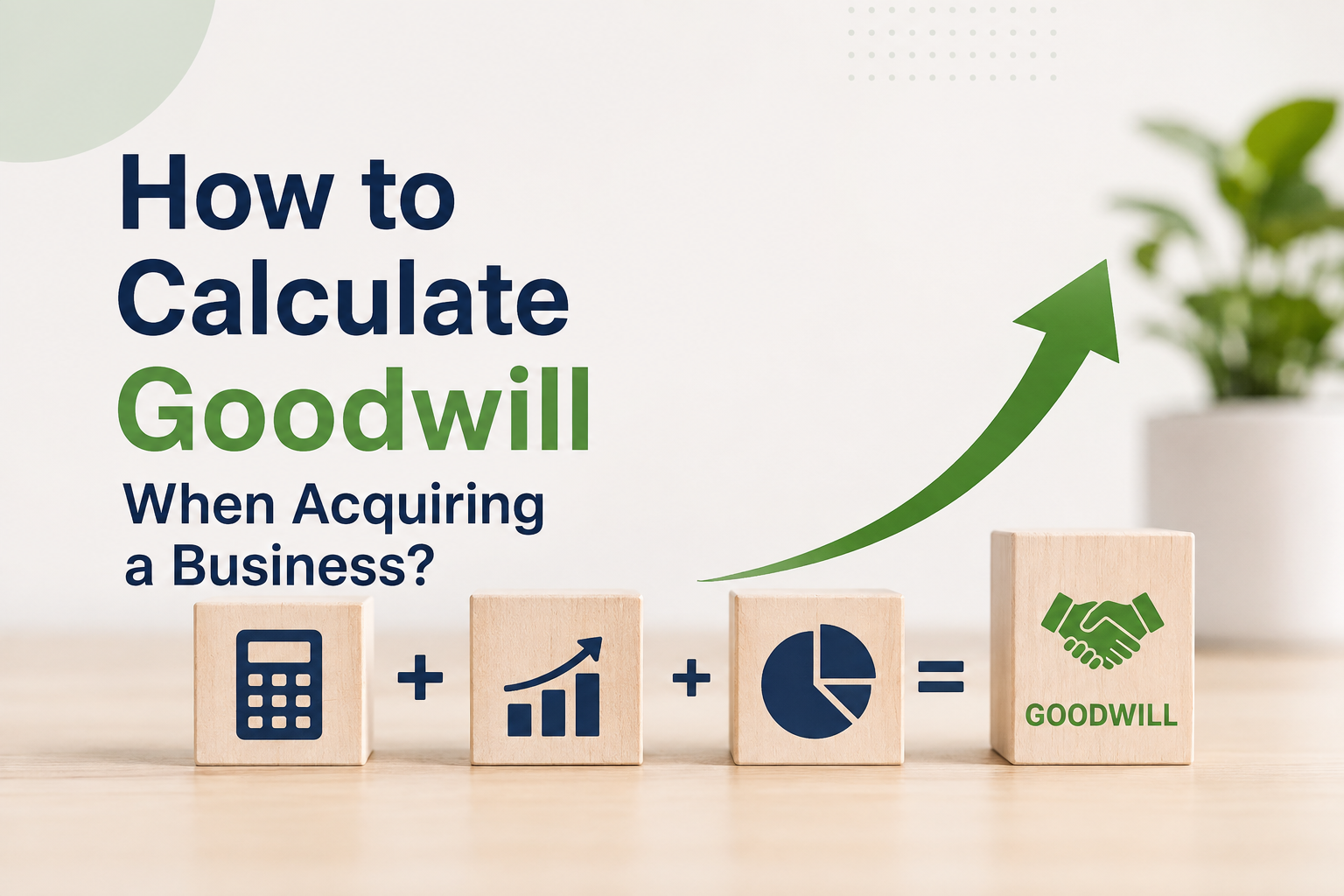
  • How to calculate Goodwill value while acquaring a business?

    How to calculate Goodwill value while acquaring a business?

    When acquiring a business, goodwill is basically the extra amount you pay above the fair value of its identifiable assets. It reflects things like brand reputation, customer loyalty, and future earning potential.

    Core idea

    Goodwill = Purchase Price – Net Identifiable Assets

    Here’s the formula clearly:

    Goodwill=Purchase Price−(Fair Value of Assets−Fair Value of Liabilities)\text{Goodwill} = \text{Purchase Price} – (\text{Fair Value of Assets} – \text{Fair Value of Liabilities})Goodwill=Purchase Price−(Fair Value of Assets−Fair Value of Liabilities)

    Step-by-step method

    1. Determine Purchase Price

    This is the total amount you pay to acquire the business (cash, shares, etc.).

    2. Find Fair Value of Assets

    Include:

    • Tangible assets (land, machinery, inventory)
    • Identifiable intangible assets (patents, trademarks)

    3. Subtract Liabilities

    Include:

    • Loans
    • Payables
    • Any obligations

    Net Identifiable Assets = Assets – Liabilities

    4. Calculate Goodwill

    Subtract net assets from purchase price.

    Example

    Suppose:

    • Purchase price = ₹50 lakh
    • Fair value of assets = ₹40 lakh
    • Liabilities = ₹10 lakh

    Net assets = ₹40L – ₹10L = ₹30L

    Goodwill = ₹50L – ₹30L = ₹20 lakh

    That ₹20 lakh is goodwill.

    Alternative methods (used in valuation)

    Sometimes goodwill is estimated before acquisition using:

    1. Average Profit Method

    Goodwill = Average Profit × Number of Years Purchase

    2. Super Profit Method

    Goodwill = Super Profit × Years Purchase

    • Super Profit = Actual Profit – Normal Profit

    3. Capitalization Method

    Based on expected return on investment.

  • Why Confidentiality is Critical When Selling a Business in India

    Why Confidentiality is Critical When Selling a Business in India

    Selling a business is one of the most significant decisions an entrepreneur can make. While many business owners focus on valuation, negotiations, and finding buyers, one factor is often overlooked: confidentiality.

    A breach of confidentiality during the sale process can impact employees, customers, suppliers, and even the value of the business itself. This is why experienced business owners and investors prioritize confidential business sales.

    The Risks of a Public Business Sale:- When news of a business sale becomes public too early, several challenges may arise:

    Employee Uncertainty:-Employees may become concerned about job security, leading to reduced productivity or the loss of key staff members.

    Customer Concerns:-Customers may worry about changes in service quality, pricing, or business continuity.

    Supplier Reactions:-Suppliers may reconsider credit terms or future business arrangements if they perceive uncertainty.

    Competitor Advantage:-Competitors can use the information to target customers, employees, or market share.

    These factors can negatively affect business performance during the sale process and reduce the final selling price.

    How to Maintain Confidentiality During a Business Sale

    Share Information Gradually:-Business owners should provide detailed information only to serious and qualified buyers.

    Use Non-Disclosure Agreements (NDAs):-An NDA helps protect sensitive financial, operational, and customer information from being disclosed or misused.

    Screen Potential Buyers:-Not every inquiry is from a genuine buyer. Proper screening helps identify serious investors and acquisition candidates.

    Avoid Public Disclosure:-Sensitive details such as customer lists, financial data, and proprietary processes should remain confidential until advanced stages of negotiation.

    Why Online Business Marketplaces Are Growing:-Modern business marketplaces allow owners to showcase opportunities while maintaining privacy.

    Through platforms such as BizzXchange, sellers can connect with potential buyers and investors without publicly revealing confidential information. This helps generate interest while protecting the business’s operations and reputation.

    Industries Where Confidential Sales Matter Most

    Confidentiality is particularly important for:

    *Hospitals and Nursing Homes

    *Manufacturing Units

    *Restaurants and Cafes

    *Educational Institutions

    *Technology Companies

    *Retail Businesses

    *Service-Based Businesses

    In these sectors, customer confidence and employee retention directly affect business value.

    Benefits of a Confidential Business Sale

    A well-managed confidential sale process can help:

    ✔ Preserve business value

    ✔ Protect customer relationships

    ✔ Retain employees

    ✔ Avoid market speculation

    ✔ Attract serious buyers

    ✔ Ensure smoother negotiations

    So Finally we can say

    A successful business sale is not just about finding a buyer—it is about protecting the value you have built over the years. Maintaining confidentiality throughout the process can make a significant difference in achieving the best outcome.

    Business owners considering a sale can explore acquisition opportunities, investor connections, and confidential listings through BizzXchange – India’s Business Buying & Selling Platform.

    Confidential Business Sale India, Sell Business Confidentially, Business Acquisition India, Business Buyers India, Business Marketplace India, Business Valuation India, Business Exit Strategy, Buy and Sell Business India, Investor Network India, BizzXchange, BizzExchange.

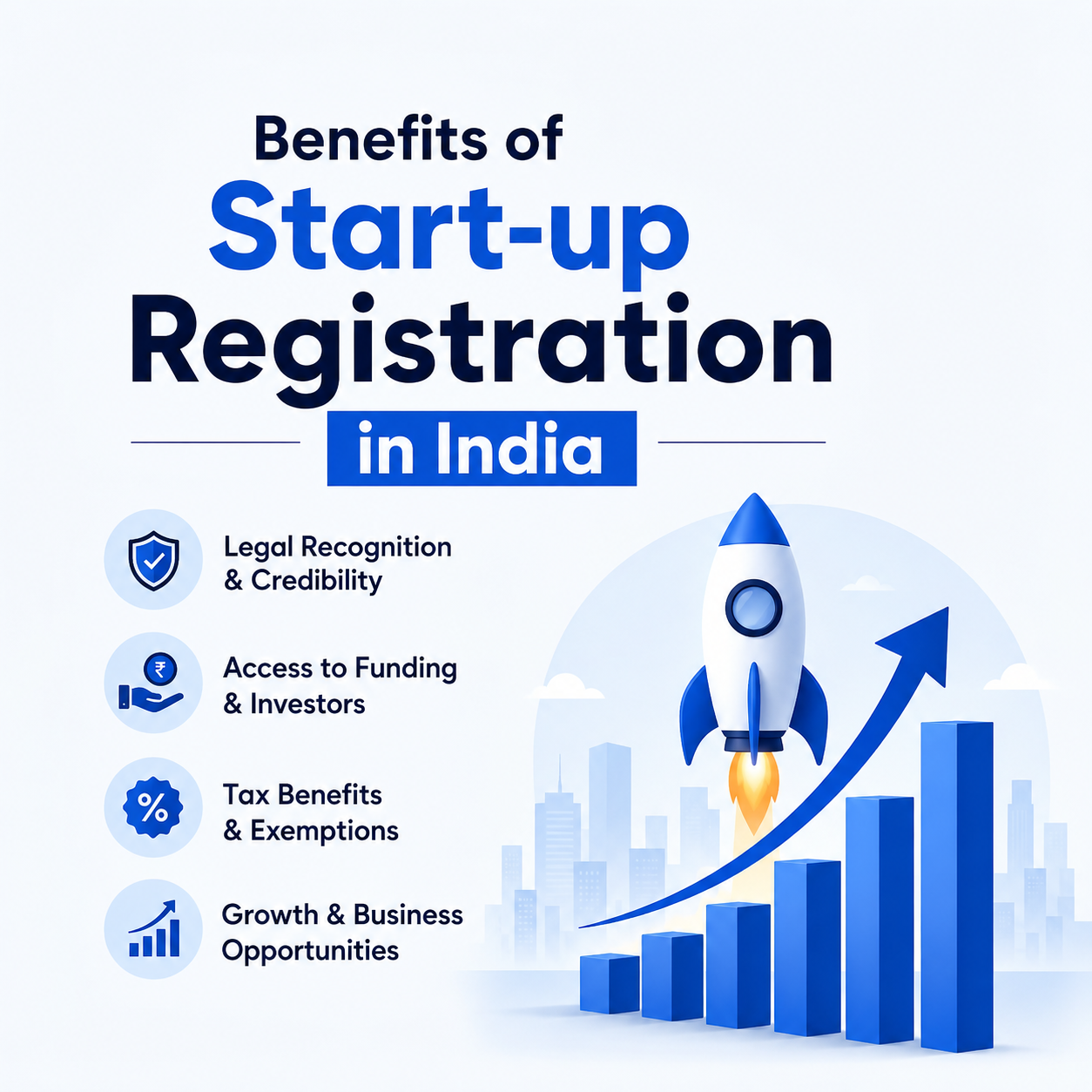
  • What are the benefits of start-up Registration in India?

    What are the benefits of start-up Registration in India?

    Detailed Benefits of Startup Registration in India

    1.Income Tax Exemption (Major Benefit)

    Eligible startups get a 100% tax exemption on profits for 3 consecutive years out of the first 10 years under Section 80-IAC.

    Practical Impact:

    • If your startup earns ₹10 lakh profit/year → you save ~₹2.5–3 lakh tax annually
    • Helps in reinvesting money into business growth instead of paying taxes

    Conditions:

    • Must be recognized by DPIIT
    • Should be innovative or scalable

    2. Angel Tax Exemption (Big Relief for Funding)

    Normally, if a company receives investment above fair value, it is taxed (Angel Tax).

    Registered startups get exemption under Section 56, meaning:

    • No tax on funds received from investors
    • Attracts angel investors easily

    Example:
    If your startup gets ₹50 lakh investment → no extra tax liability

    3.Easy Compliance & Self-Certification

    Startups can self-certify compliance under:

    • 6 Labour Laws
    • 3 Environmental Laws

    Benefits:

    • No frequent inspections
    • Less legal pressure
    • Saves compliance cost

     Ideal for new entrepreneurs who don’t want heavy legal burden initially.

    4.Fast-Track Patent, Trademark & IPR

    With support from the government:

    • 80% rebate on patent filing fees
    • 50% rebate on trademark filing
    • Fast-track processing

    Supported by organizations like SIDBI.

    Practical Benefit:

    • Protect your brand and innovation at low cost
    • Faster approval → competitive advantage

    5.Easy Access to Funding & Government Schemes

    Government has created a Fund of Funds (₹10,000+ crore corpus) to support startups.

    Startups get:

    • Access to venture capital funding
    • Startup grants
    • Priority in MSME & innovation schemes

    Supported by initiatives like Atal Innovation Mission.

    6. Easier Participation in Government Tenders

    Normally, tenders require:

    • Minimum turnover
    • Prior experience

    Startups get exemptions:

    • Can apply without experience
    • No turnover requirement

    Benefit:

    • Even a new startup can win government contracts

    7. Easy Exit (Fast Closure)

    Under the Insolvency & Bankruptcy Code (IBC):

    • Startup can close within 90 days

    Why important?

    • Reduces risk for entrepreneurs
    • Encourages experimentation without fear

    8.Better Credibility & Branding

    Being a registered startup:

    • Builds trust with clients & investors
    • Improves business image
    • Helps in partnerships

    Example:
    Investors prefer DPIIT-recognized startups over unregistered businesses.

    9.Networking, Mentorship & Incubation

    Access to:

    • Government incubators
    • Startup events & expos
    • Mentorship programs

    Helps in:

    • Learning from experts
    • Connecting with investors
    • Scaling faster
    • 10.Global Exposure & Expansion

    Registered startups get:

    • Opportunities in international startup programs
    • Government support for global expansion

    Helps in entering foreign markets easily.

    Eligibility (Important)

    To get these benefits, your startup must:

    • Be a Private Limited Company / LLP / OPC
    • Age ≤ 10 years
    • Turnover ≤ ₹100 crore
    • Focus on innovation / improvement / scalable model

    Simple Conclusion

    Startup Registration is highly beneficial if you want to:

    • Save tax
    • Raise funding easily
    • Reduce compliance burden
    • Grow faster with government support